Laser Assisted Hatching in Lagos
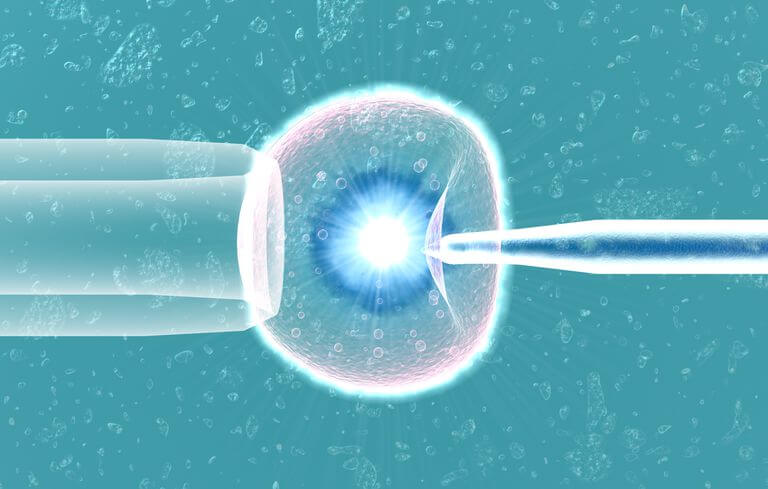
Laser assisted hatching gently thins the outer shell of an embryo (the zona pellucida) with a precise laser, helping the embryo “hatch” and implant in the womb. In natural conception, the shell thins as the embryo travels down the fallopian tube. Embryos created in the laboratory can have a thicker shell and may need extra help.
How it works
Just before embryo transfer, our embryologists use a laser to make a tiny opening in the embryo’s shell. This can be done on day 2–3 embryos or on day 5–6 blastocysts. The embryo can then hatch more easily, which may increase the chance of implantation.
Is it right for me?
We may recommend assisted hatching if you:
- are 38 or older
- have had two or more unsuccessful IVF cycles
- have embryos with a thick outer shell
- are using frozen embryos
- have eggs or embryos of poorer quality
- needed high doses of stimulation medication
Frequently asked questions
Does assisted hatching harm the embryo?
It’s done with a precise laser by experienced embryologists, just before transfer. Your specialist will explain whether it’s advised for you.
Can it be used with frozen embryos?
Yes. Frozen embryos are one of the main reasons it’s recommended.
Our Treatments
- In-vitro Fertilization (IVF)
- Frozen Embryo Transfer (FET)
- Natural Cycle IVF
- Laser Assisted Hatching (LAH)
- Intracytoplasmic Morphologically Selected Sperm Injection (IMSI)
- Microfluid Sperm Sorting (MFSS)
- Magnetic Activated Cell Sorting
- Pre-implantation Genetic Diagnosis (PGD)
- Preimplantation Genetic Testing For Structural Rearrangements? (PGT-SR)
- Karyotyping
- Acupuncture
Contact Us
If you have any questions or need help, feel free to contact us for medical assistance.